
Home
-
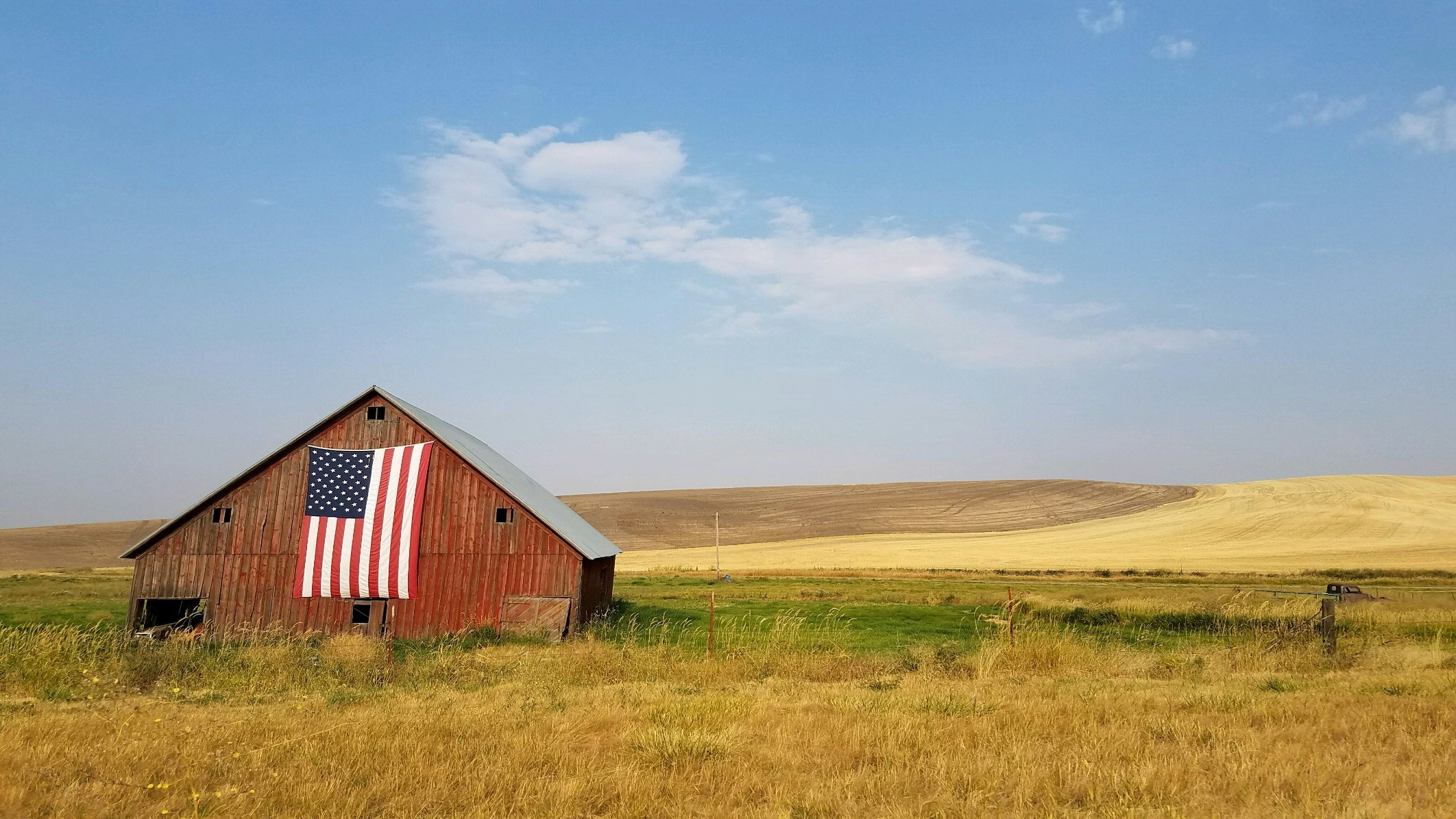
Review of How the Heartland Went Red: Why Local Forces Matter in an Age of Nationalized Politics
|
The rightward turn in America’s postindustrial regions shows the role of place in partisan allegiance.
-
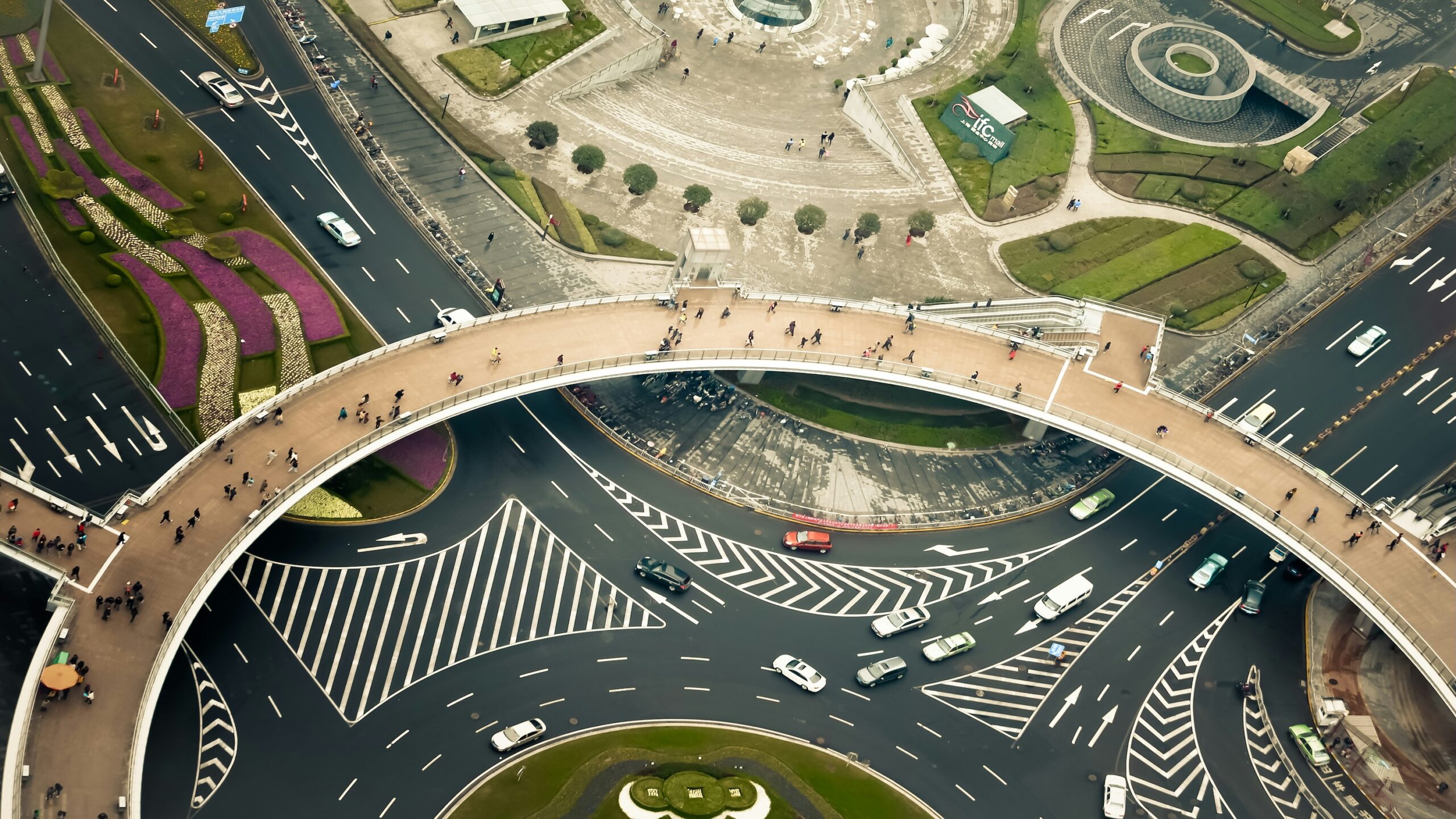
New Urban Dispositions: A Review of Cities Rethought
|
A new book reimagines cities not as static entities but as fluid, dynamic spaces with possibilities to collectively address global crises.
-
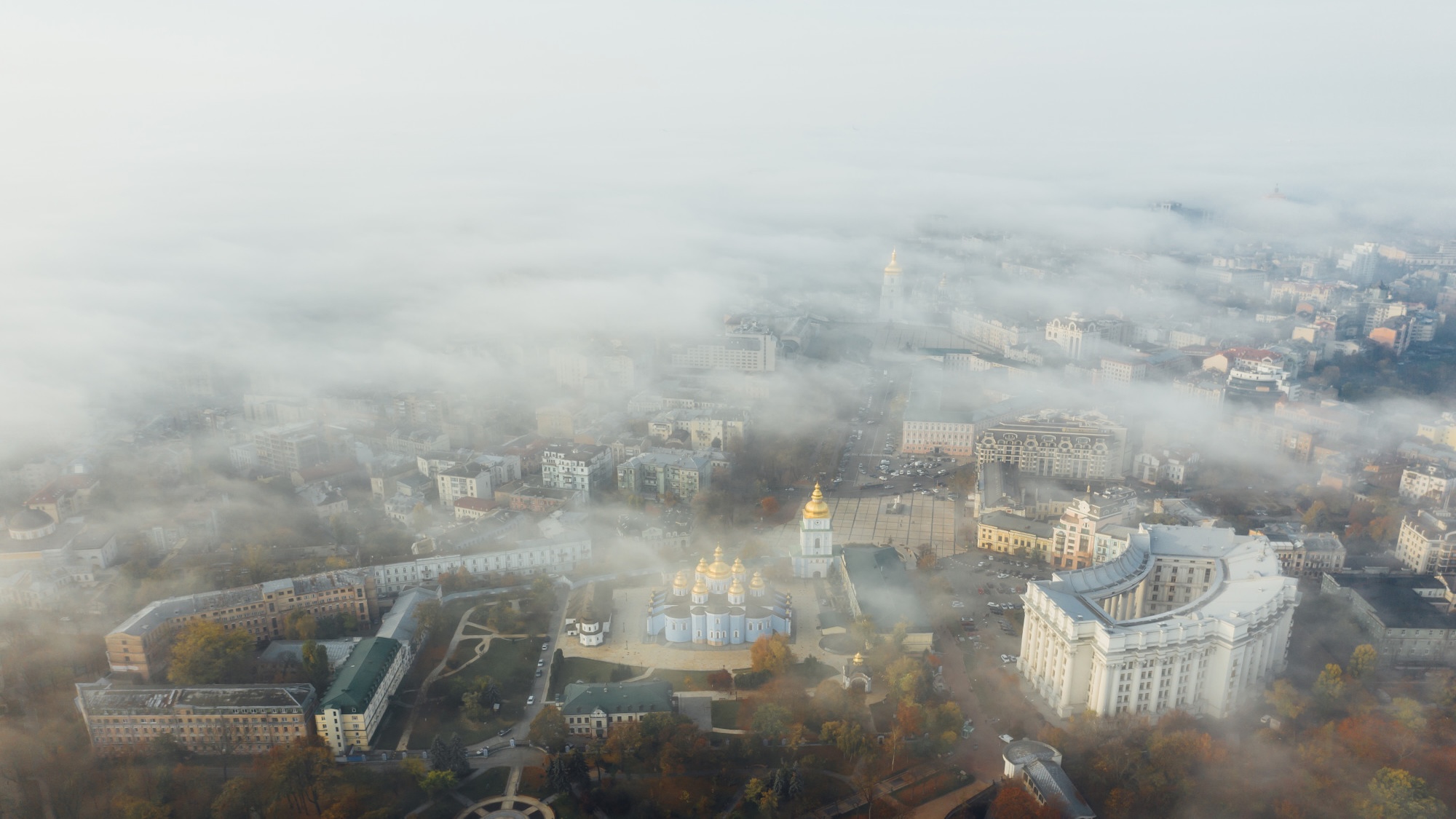
When War and Nature Collide in Ukraine
|
Russia’s invasion also represents an ecological catastrophe, depriving flora and fauna alongside human victims. Restoration may take lifetimes.
-
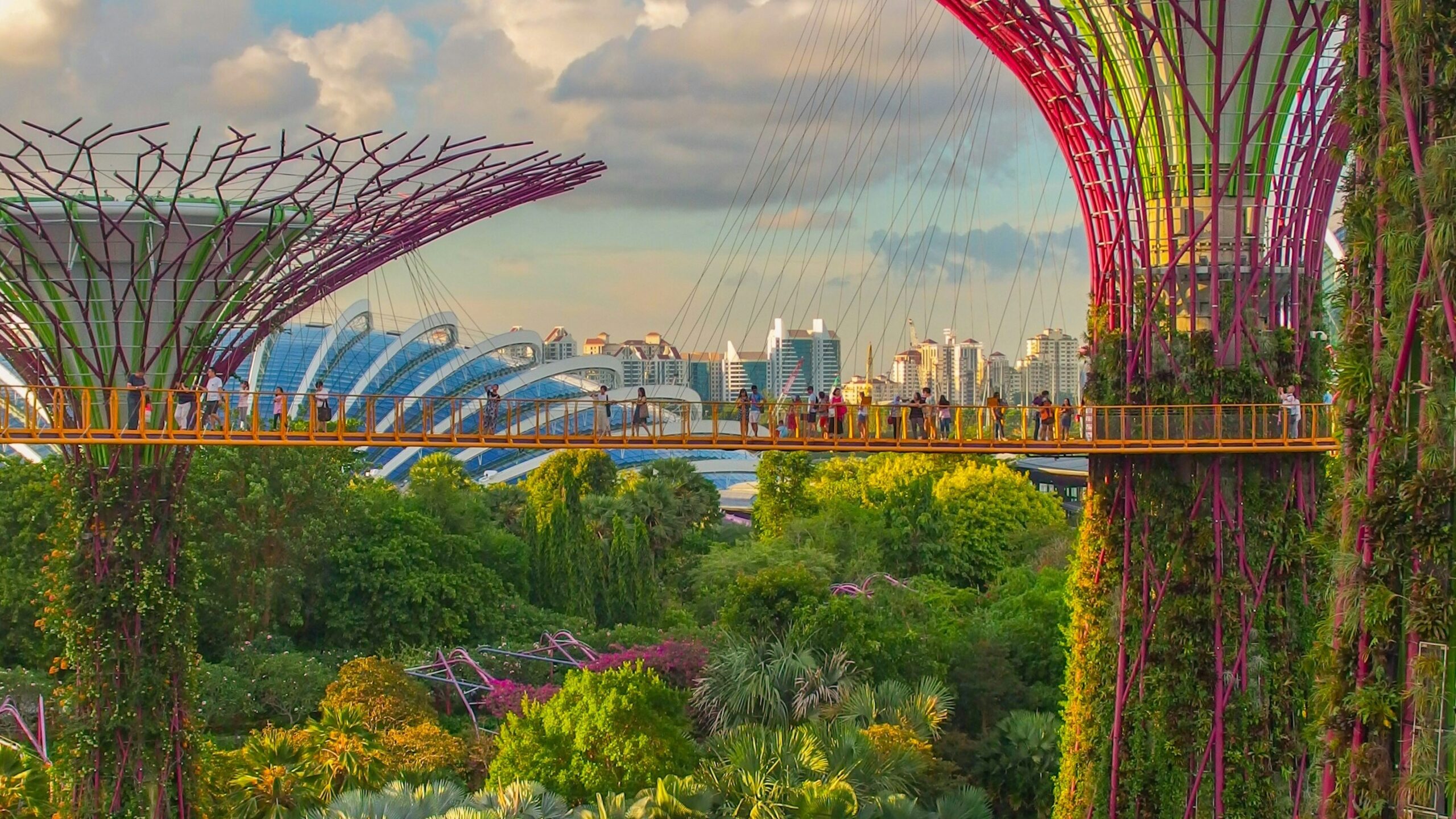
Singapore’s ‘Invisible’ Population: The Perpetual ‘Homelessness’ of Migrant Workers
|
Singapore’s pristine cityscape and reputation as a futuristic utopia is built on the labour of an ‘invisible’ workforce.
-
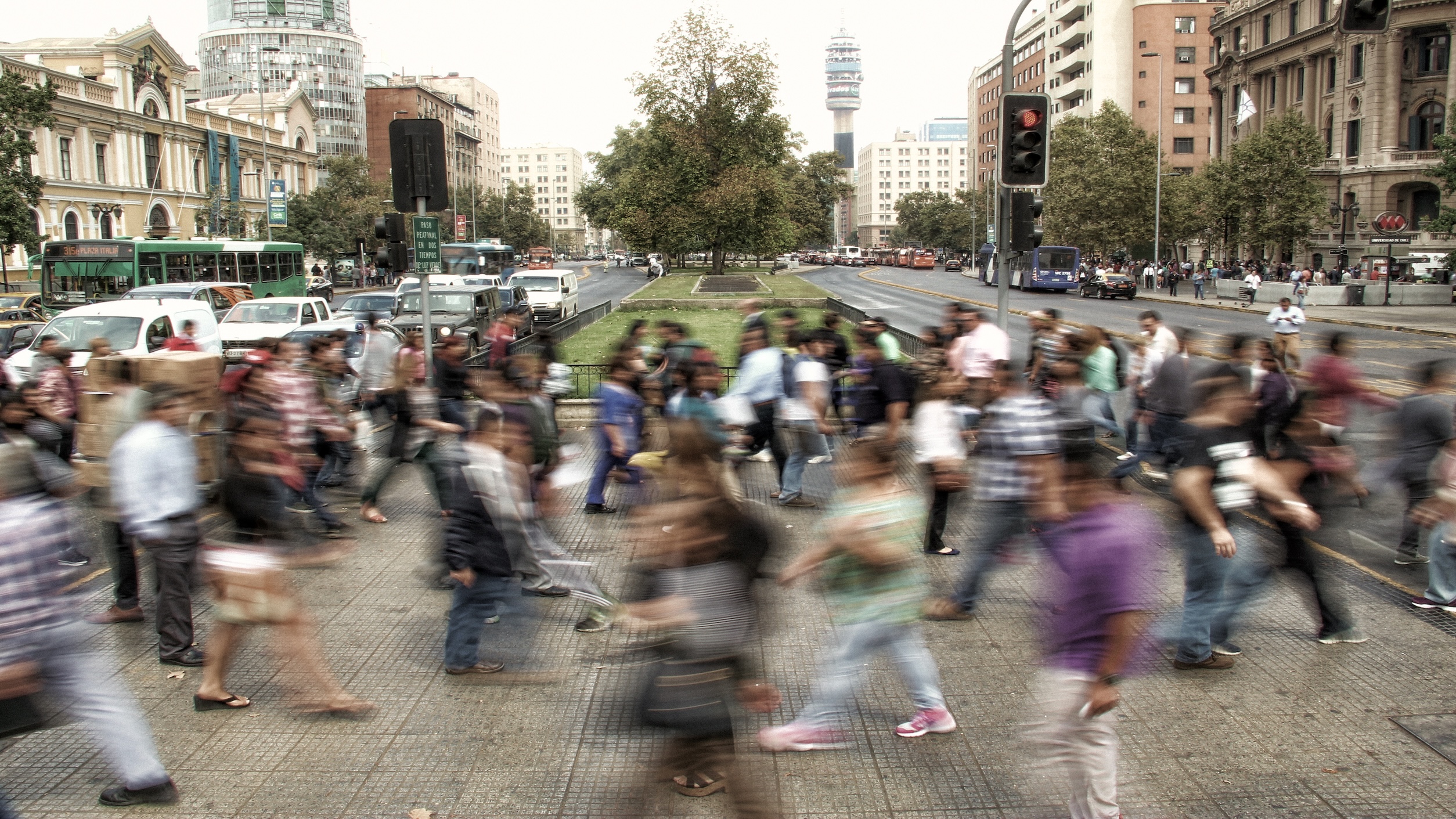
Double Agents? How Immigrant-Origin Teens Find Belonging
|
Immigrant-origin teens make friends at high rates, casting doubt on the notion that multiculturalism must be divisive.
-
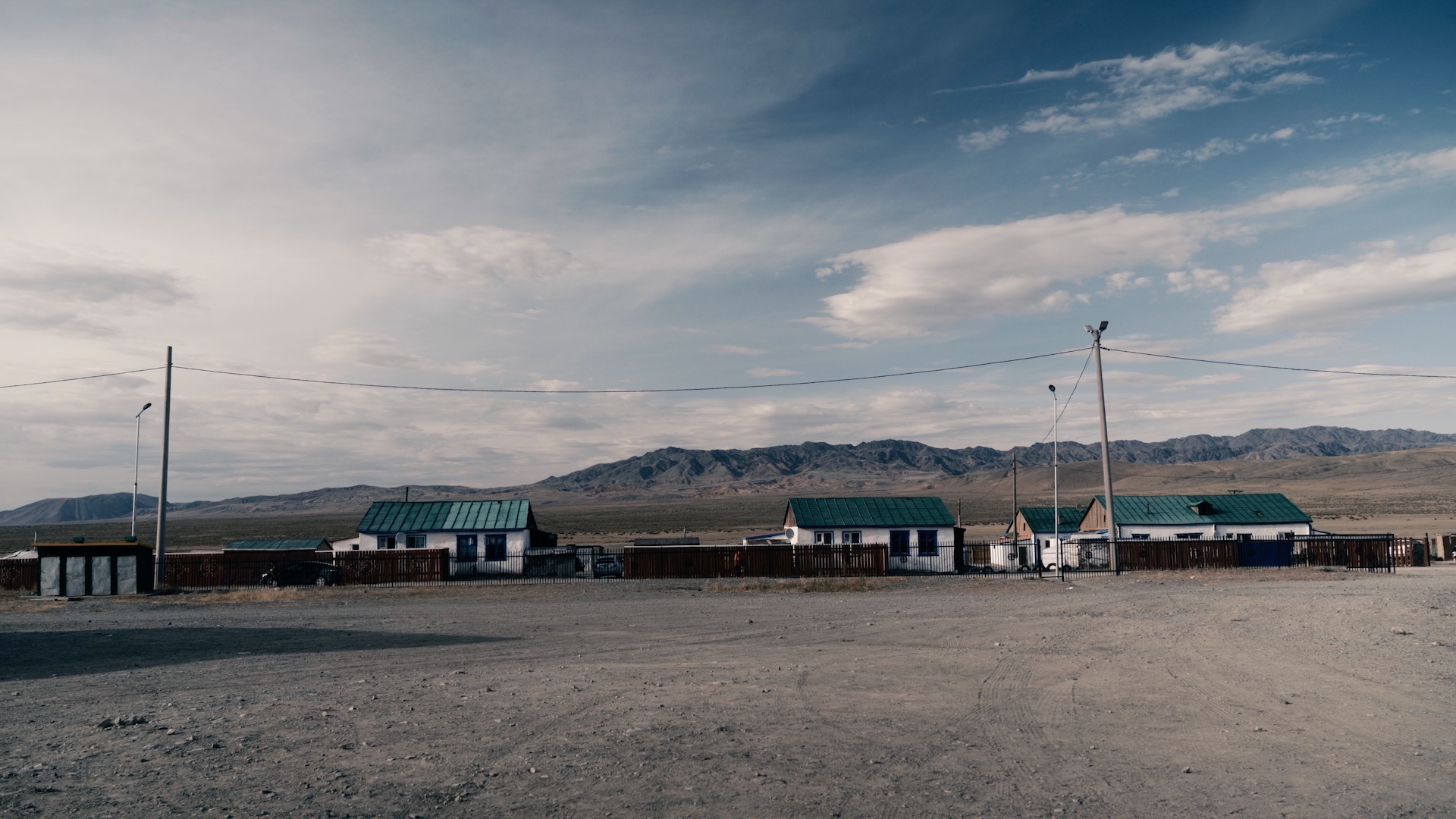
Space Predestined to Demise: The Making and Falling of Fragile Homes in the Calais ‘Jungle’
|
The efforts of refugees in Calais to carve out spaces of memory, survival, and resistance is just defiance against expulsion and violence.
-

To Live Under the Gathering Storm
|
The fates of two Japanese figures with pre-WW2 connections to the US reveals much about today’s geopolitical rivalries.
-

Nations without States: Catalonia’s Struggle for Recognition
|
Spain’s Constitution does not see Catalonia’s nationhood. To resolve nationalist tensions, a complete reimagining of the nation is needed.
-

Protected Land, Lost Homes: How China’s Farmland Protection Policies Lead to Rural Dispossession
|
‘The strictest land-management system in the world’ has fueled massive growth at the expense of rural communities.
-

Home Is Where the Trauma Is: Artistic Explorations of Generational Trauma
|
Questions of German identity and the memories of the Holocaust intersect in Spiegelman’s Maus.