
Economy
-
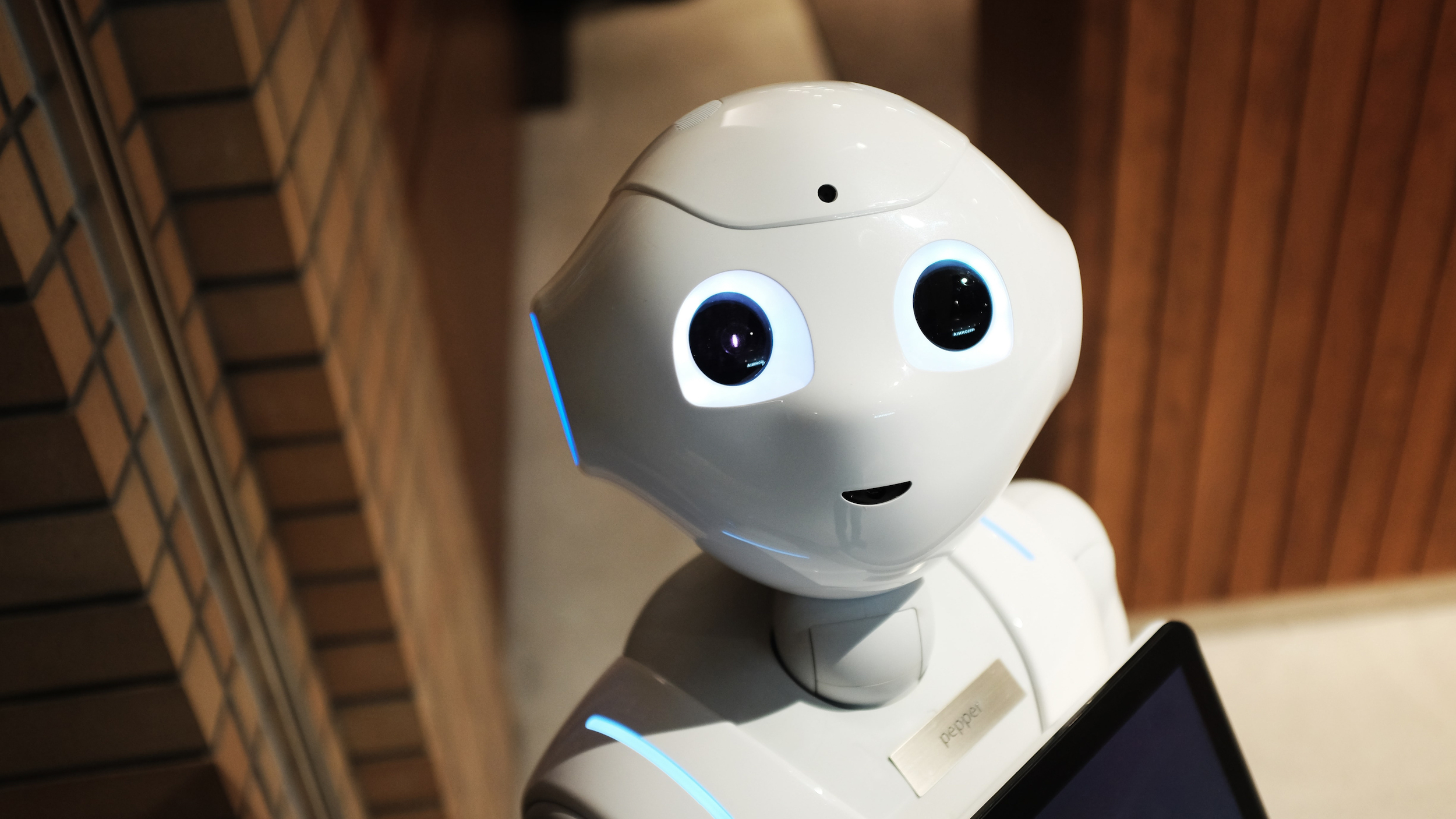
Is AI Making Us (Artificially) Equal?
|
The growing use of internet technologies in human livelihoods has an ambiguous impact upon the notions of human equality and social status. Internet technologies, with an emphasis on Artificial Intelligence (AI), are more likely to widen the inequality gaps due to existing socio-cultural barriers in the physical sphere.
-
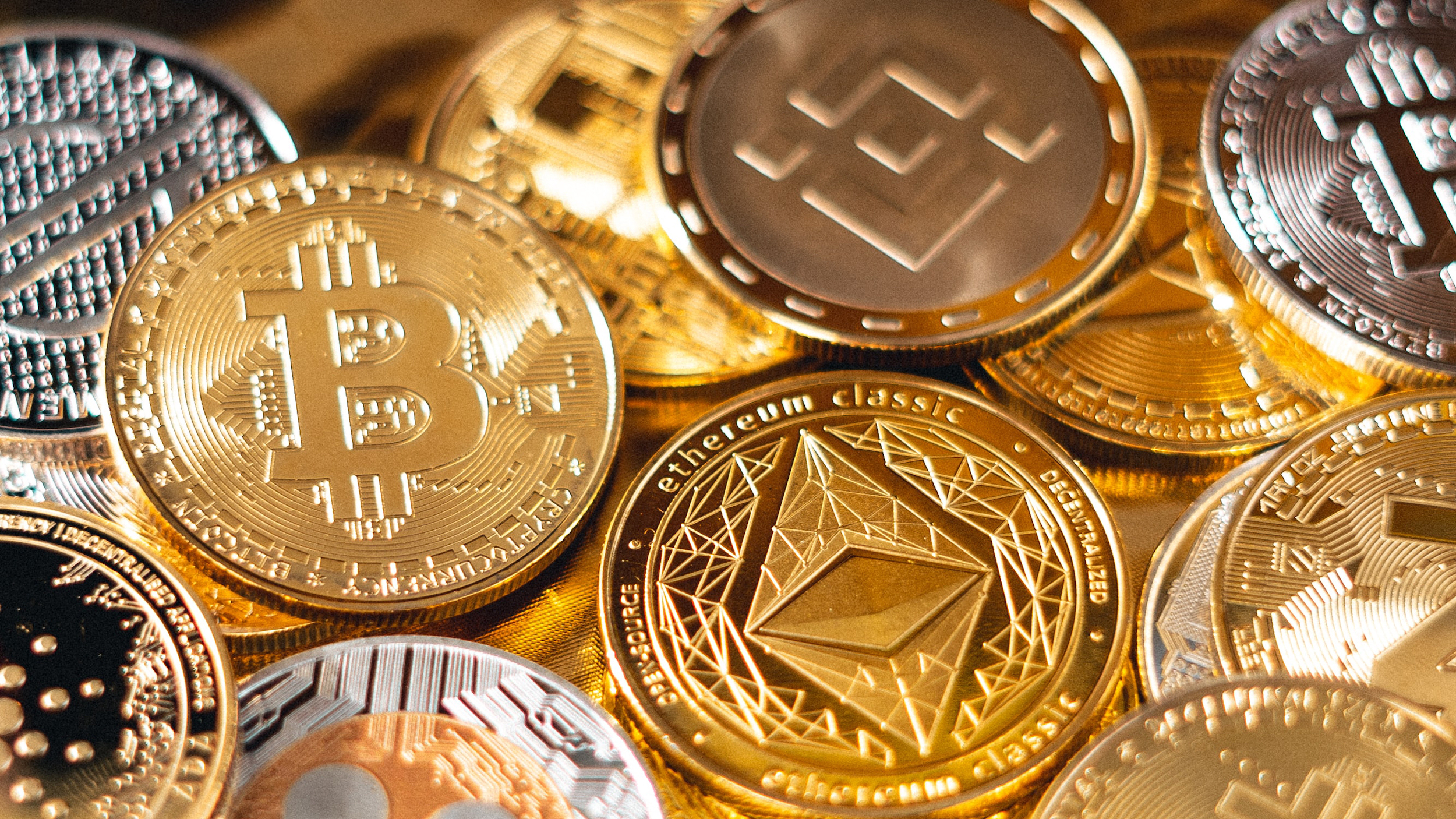
Who’s Afraid of the Big Bad Doge? On India’s Proposed Crypto Bill
|
Does currency have morality? And does its decentralization erode this character? The Indian state seems to think so.
-

The Wisdom of Grameen: A Discourse on How Social Business is Pioneering a New Economy
|
Our current economic system is focused only on profit maximization. This has not only created an insatiable appetite for growth but has given rise to systemic inequalities and the overexploitation of the environment. The pandemic and recent climate disasters have exposed these problems and call for the need for a new economy. Nobel Laureate Prof.…
-
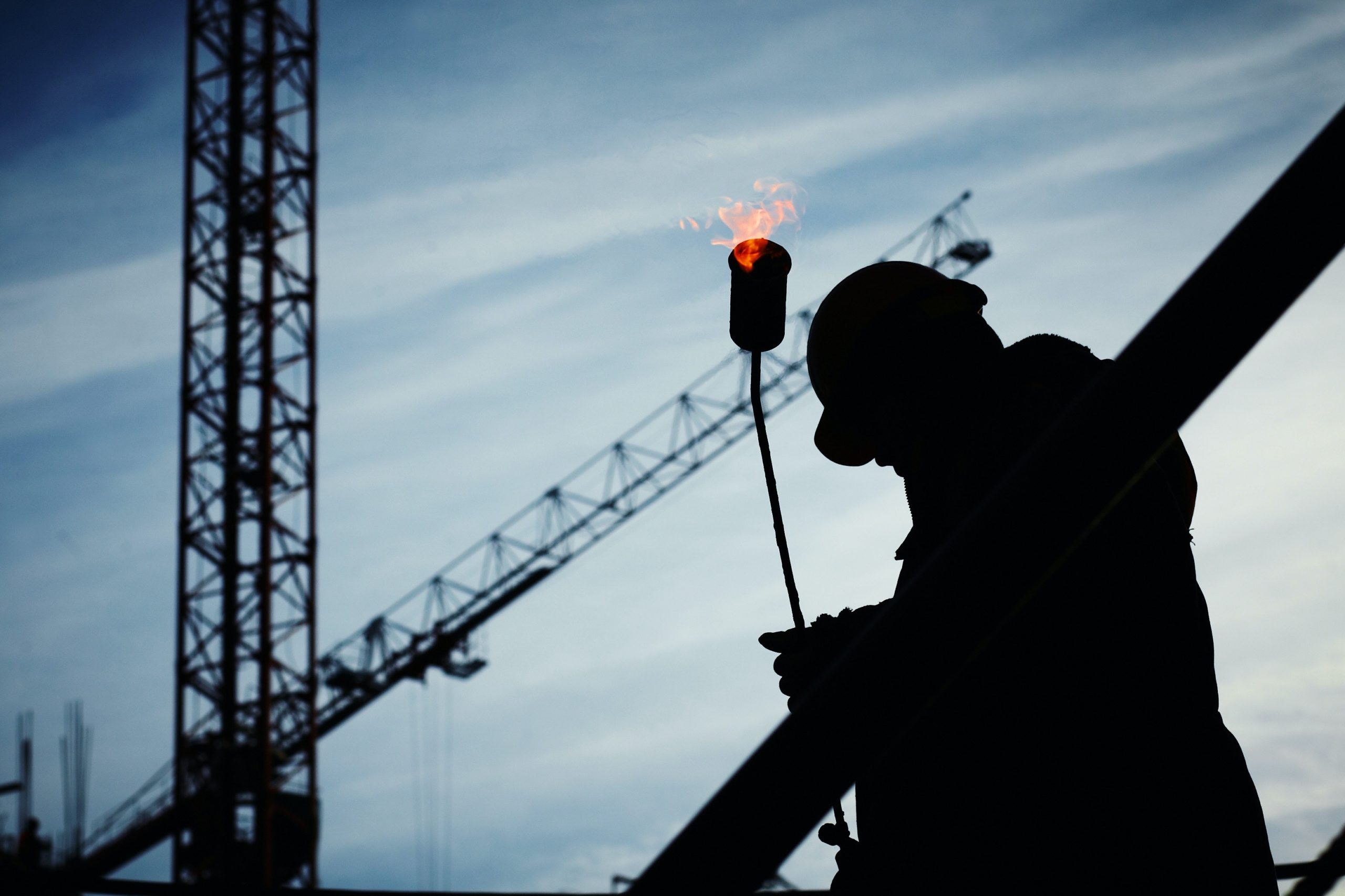
What does it mean to be Singaporean? Reconstructing migrant worker identities in a neoliberal COVID-19 world
|
AbstractIn discussing the role of immigration in policy formulation in Singapore, this article uses conceptions of Singaporeanism to explore how identities of migrant workers* have been moulded and reconstructed by Singapore’s colonial past and the neoliberal economic present. Post-COVID-19, where structural inequalities affecting minorities such as migrant workers will require address, the dearth of academic…
-
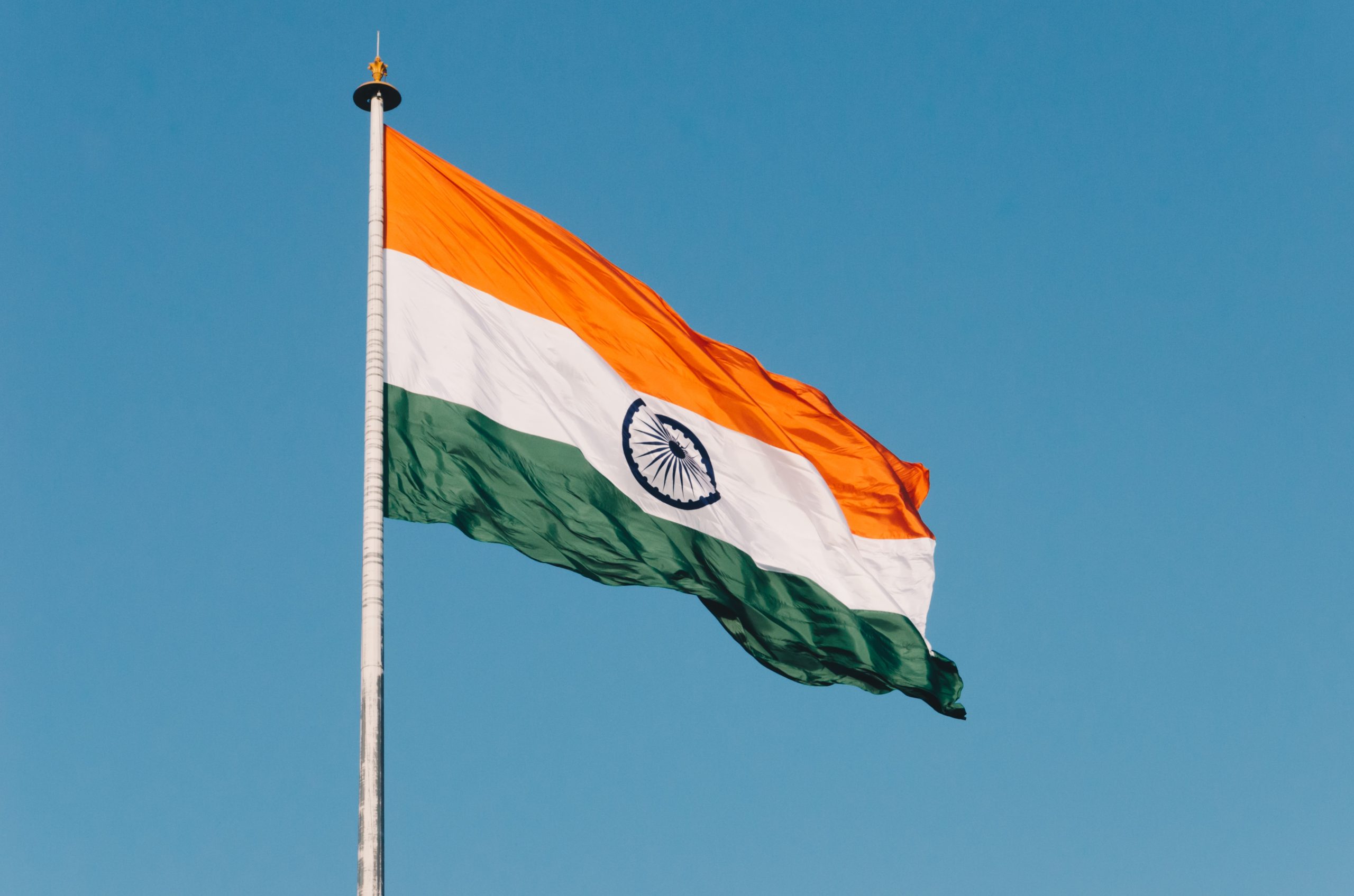
Decoding Techno-Nationalist Tendencies in India-China Relations
|
Techno-nationalism has been rising with an increase in political as well as technological fragmentation of countries in the post-globalization era. This has become the norm in the new era, which has been transitioning from techno-globalization to techno-nationalism. High-end or frontier technologies like artificial intelligence, 5G technology, and big data have become an integral link for…
-
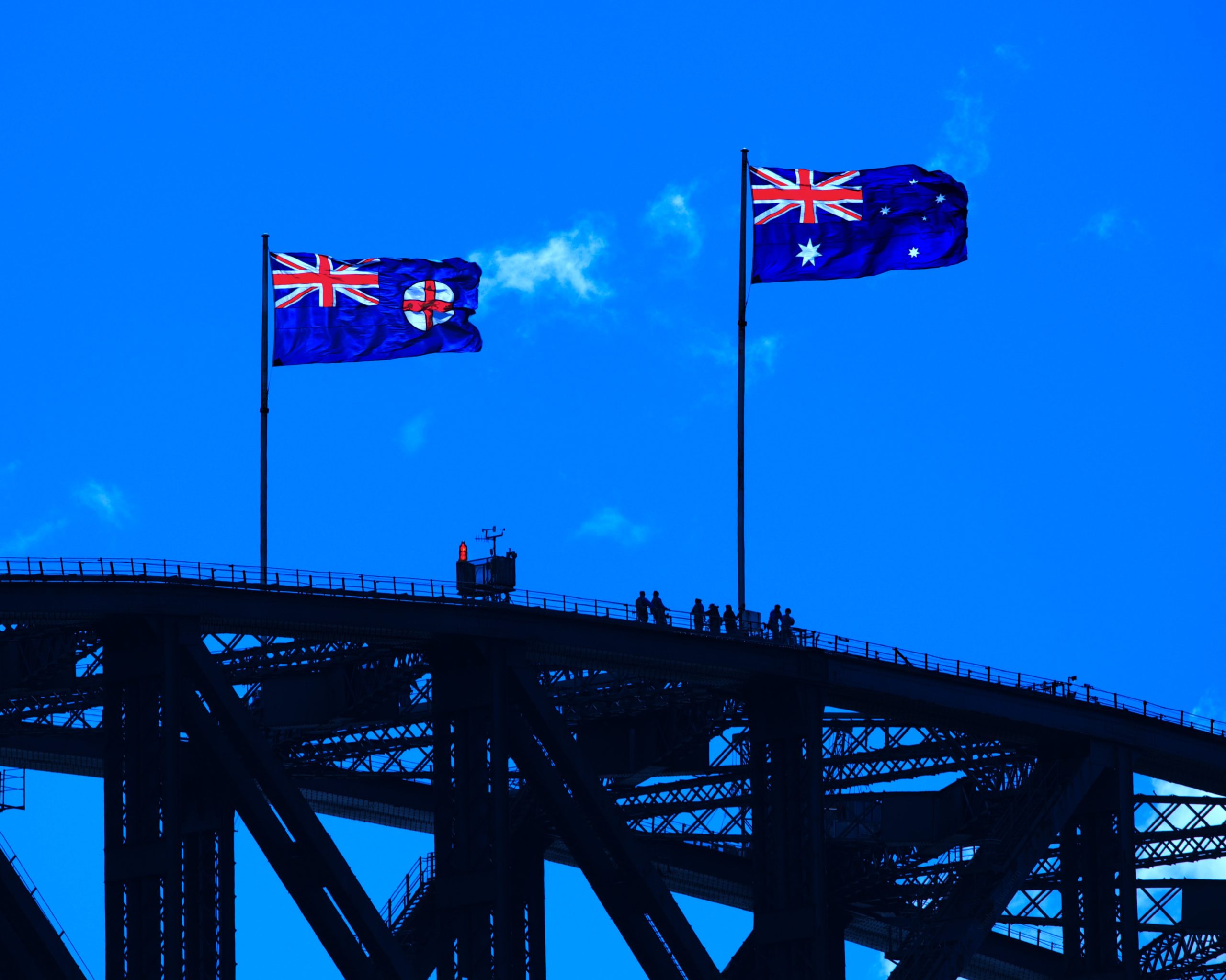
Reflecting upon the history of Sino-Australian trade, what do we know?
|
By comparison with the Sino-Australian political downturn from 2016, the development of bilateral economic ties has generally improved across these years. To some extent, Sino-Australian economic cooperation can be regarded as the cornerstone of their bilateral relations. That said, it is interesting to ask what is the nexus between political relations and trade? Do poor…
-
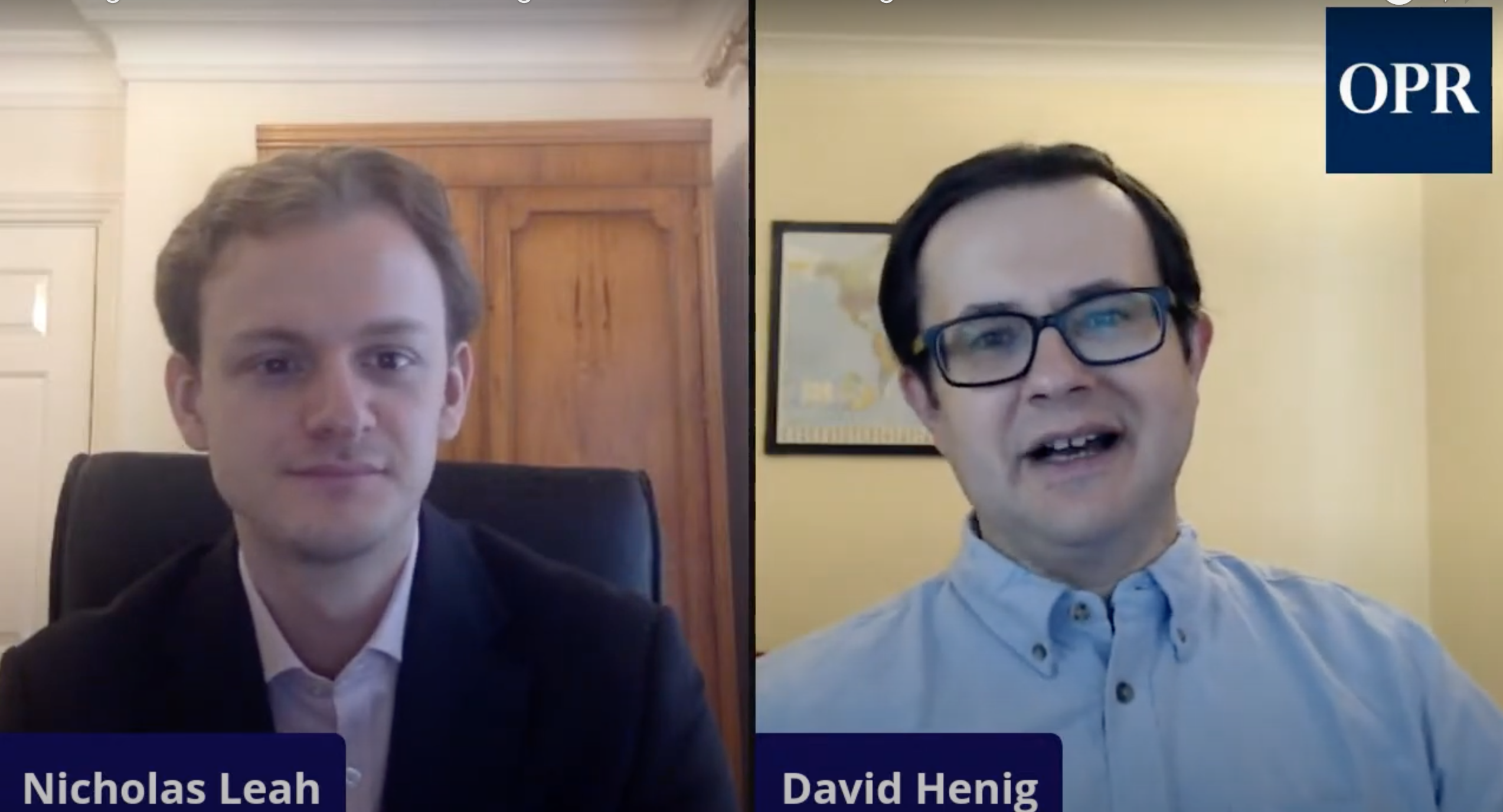
Making sense of the UK-EU Trade Agreement with David Henig
|
OPR Managing Editor Nicholas Leah discusses the recently agreed UK-EU trade deal with David Henig. David is one of the UK’s foremost trade experts. He is the Director of UK Trade Policy at the European Centre for International Political Economy and the Co-Founder of the UK Trade Forum. He has also served in the UK…
-
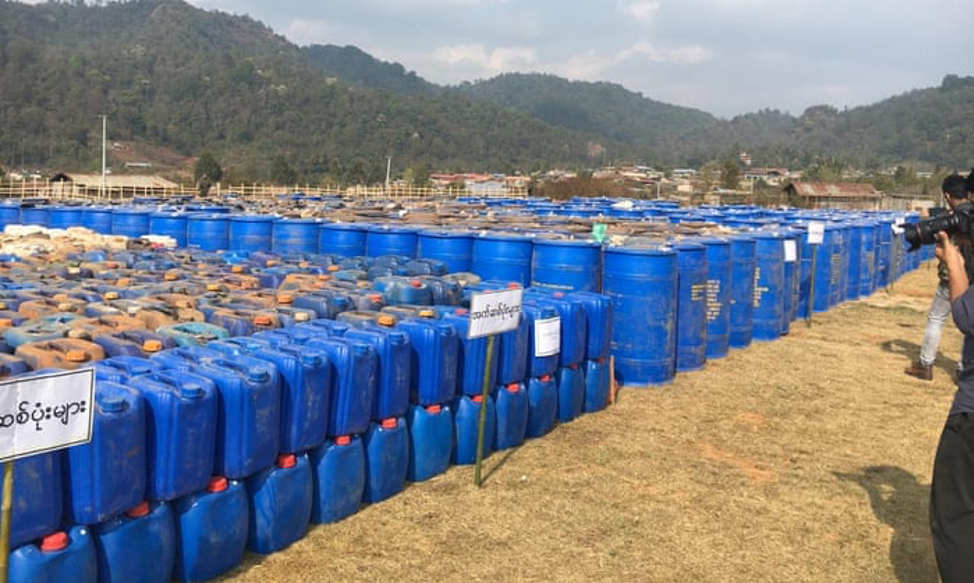
Southeast Asia has a synthetic drug problem, China has key stake in fixing it.
|
Barrels of precursor chemicals seized by Myanmar police and military in Shan State. Photograph: Myanmar Police/UNODC/via Reuters Beijing has gained momentum in its bid for regional dominance in Southeast Asia. Fuelled by notions of Chinese largesse, high-tech industrial and infrastructure development, and an ongoing surge of tactical investments pouring into the region in recent years,…
-

Are Human Rights Claims Mechanisms an adequate Social Justice tool to Address Inequality?
|
Introduction: Equality, as a concept, is not necessarily complex or abstract. It is grounded in the idea that ‘everyone counts as one and none is more than one’.1 Extrapolating from this idea, inequality exists where needs of some are disproportionately emphasised over others. This could be a result of numerous factors.2 It is likely that…
-
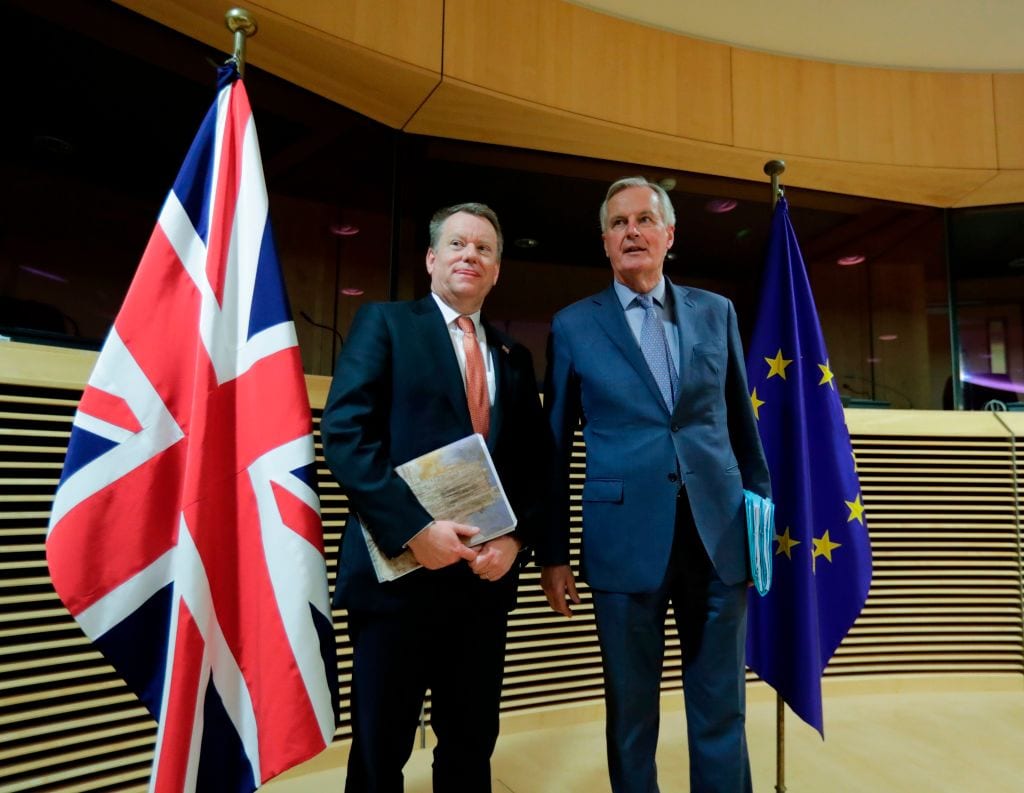
The UK Strikes Back: Similarities and Differences of the Brexit Negotiations
|
At first glance, the current UK-EU negotiations remark a new step forward towards ‘a fully independent Britain’ from the European law and institutions. But looking deeper we can find that they reflect the previous Brexit negotiations in 2017-2018 when the UK was still a part of the EU. Same contradictions, rhetoric, strategy from both sides.…