
Culture and Ideas
-
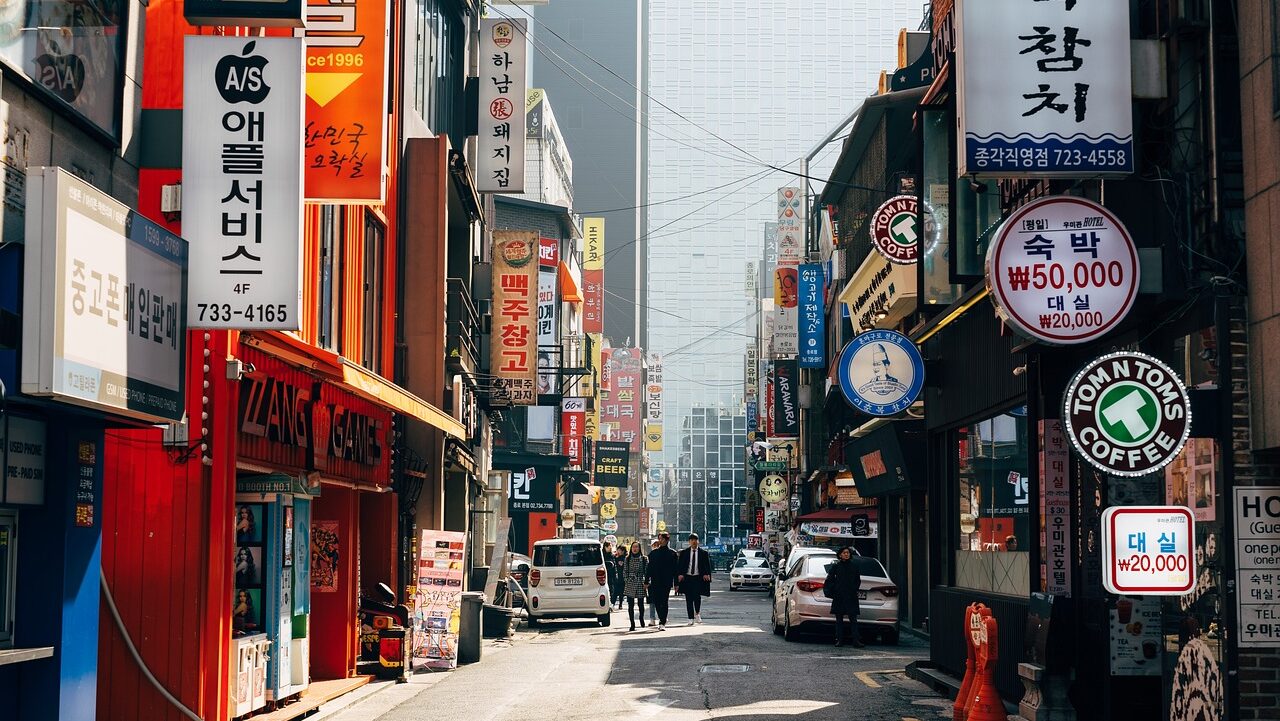
Is South Korean culture ‘Dynamite’ for the country?
|
The impact that South Korean culture exports have on the country itself is rarely considered. What may seem like mere cultural assets have pivotal political and economic consequences, profoundly shaping the country, despite pressing challenges to these assets’ longevity.
-
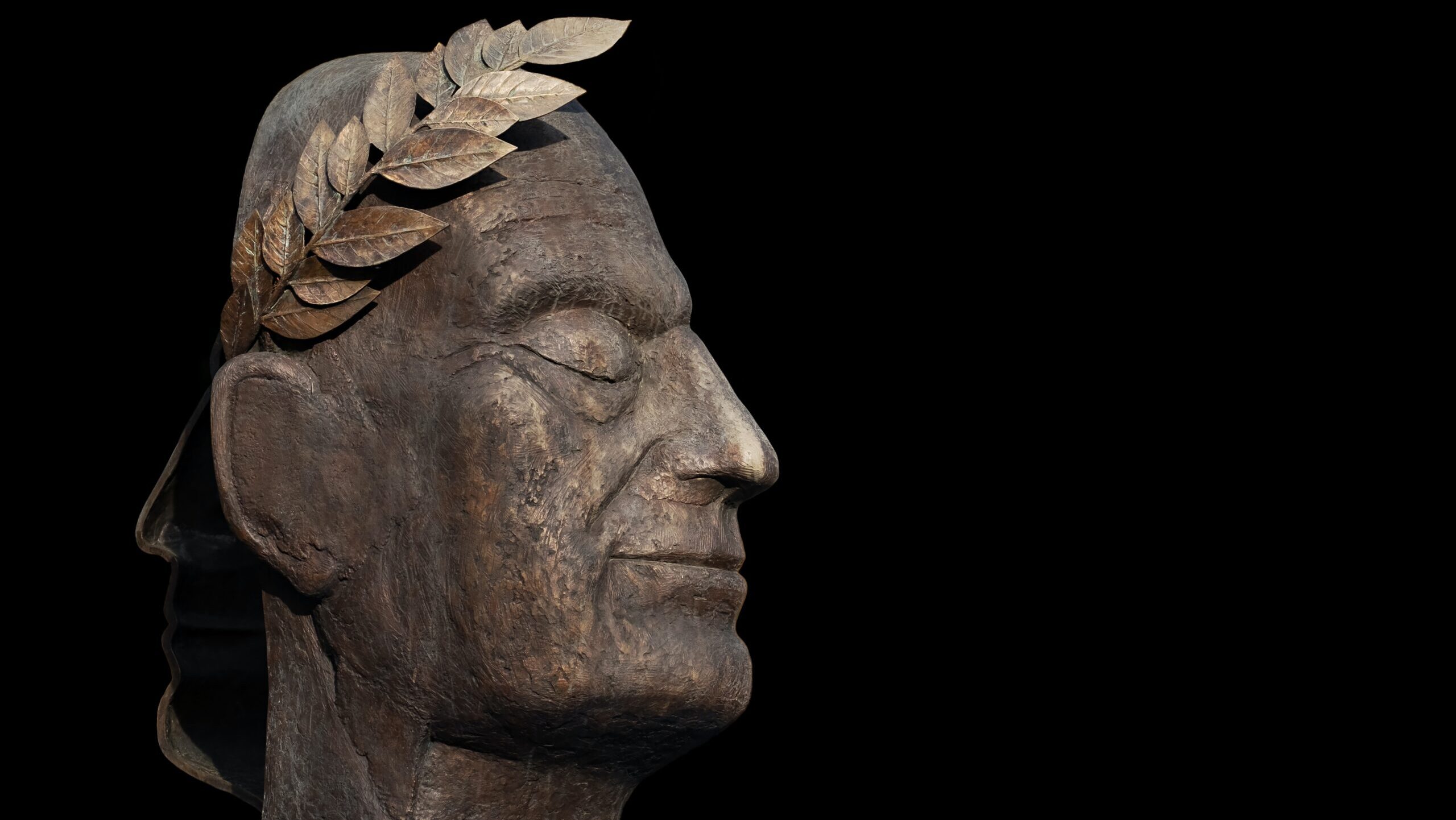
The Roman Emperor
|
In Emperor of Rome, Beard’s concern is not to narrate the rise and fall of individual emperors but to explain ‘what it meant to be a Roman emperor.’
-

Welcome to the Nostalgia Doom Loop
|
We seem to be trapped in a ‘doom loop’ of nostalgia. Why is this the case?
-
The Power & Perception of Political Caricatures in Light of Recent Cross-Border Controversies by Charlie Hebdo
|
Can political caricatures be too controversial? Who gets to decide? And which side prevails in the inevitable clash between decriers of hate speech and defenders of freedom of expression?
-

Arriving in Style: The Importance of Public Transit Design
|
Brits, and especially Londoners, have become well acquainted with the value of well-designed public spaces, including economic, political, and well-being benefits.
-
The Right Identity: What the Tories Can Tell Us About Liberation Politics
|
The claims made by the Tory party and much of the right-wing press, as well as the focus on the surface-level diversity of these candidates demonstrate, reveal a fundamentally individualist understanding of what identity and liberation politics look like and aim to achieve. In this essay, I want to demonstrate how the Tories are shifting…
-
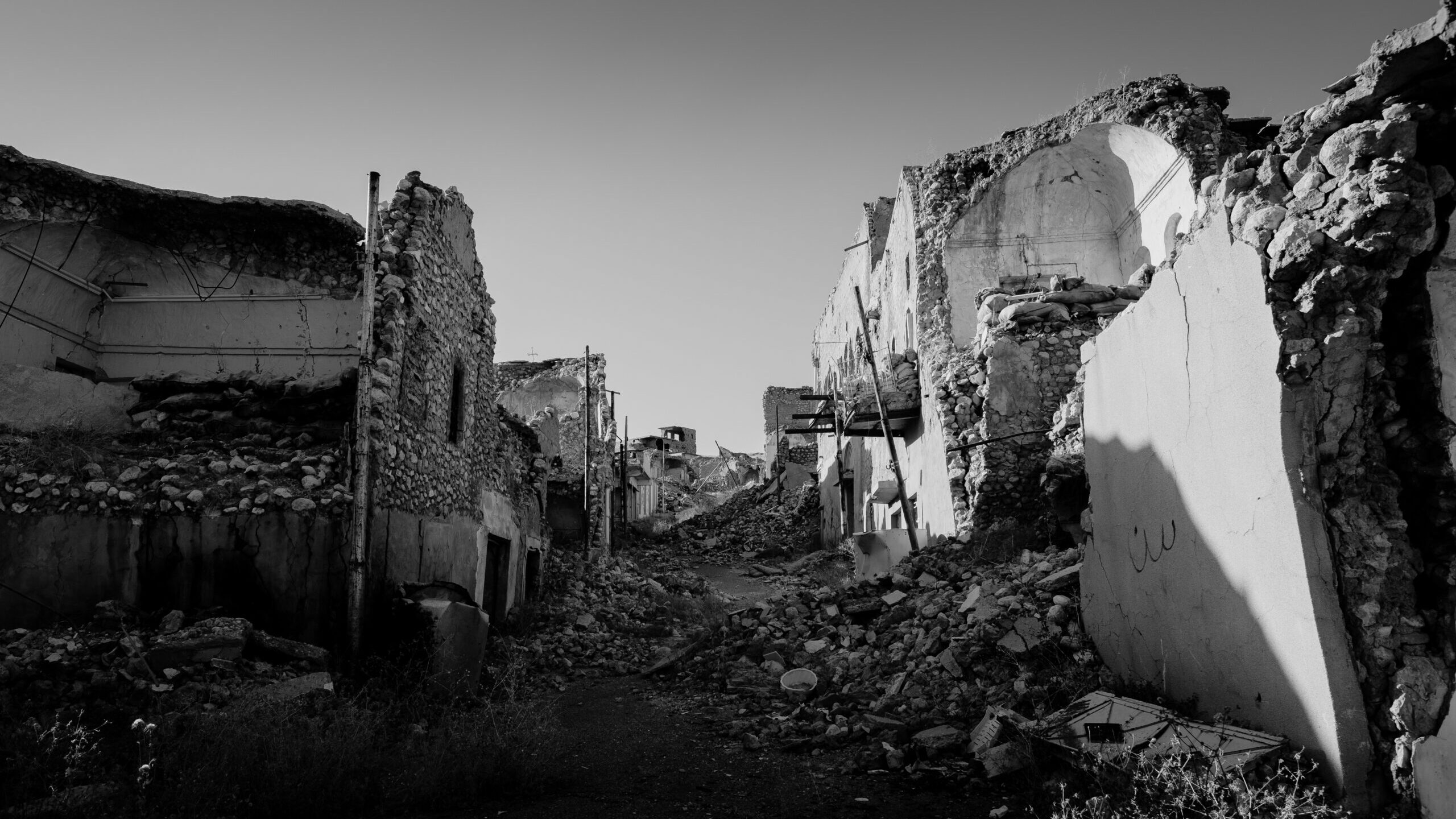
The ‘Unjust War’ Trap: Why We Should Not Rethink Civilian Non-Liability in Conflict
|
While it is correct that non-combatants hold crucial relevance during a conflict, the risks posed by including them as lawful targets are overwhelming. I argue that this moral understanding of civilian liability risks justifying some expansive interpretations of the ‘military objective’ notion.
-

Climate Debt: What Do Wealthy Nations Owe Their Poorer Counterparts?
|
Climate change should be considered an issue of imbalanced power. The three main conditions of distributive justice show why rich nations owe poor nations for their climate misconduct. Furthermore, a crop of international legislation obligates rich nations to pay climate debt.
-

Mad Max, Fury Road: Imagining Redemption in a Dystopian Representation of the Present
|
Mad Max: Fury Road not only reproduces capitalist realism in its representation of a dystopian future, but also attempts to confront such realism, and spectral subjects play the role of protagonist in such confrontation.
-
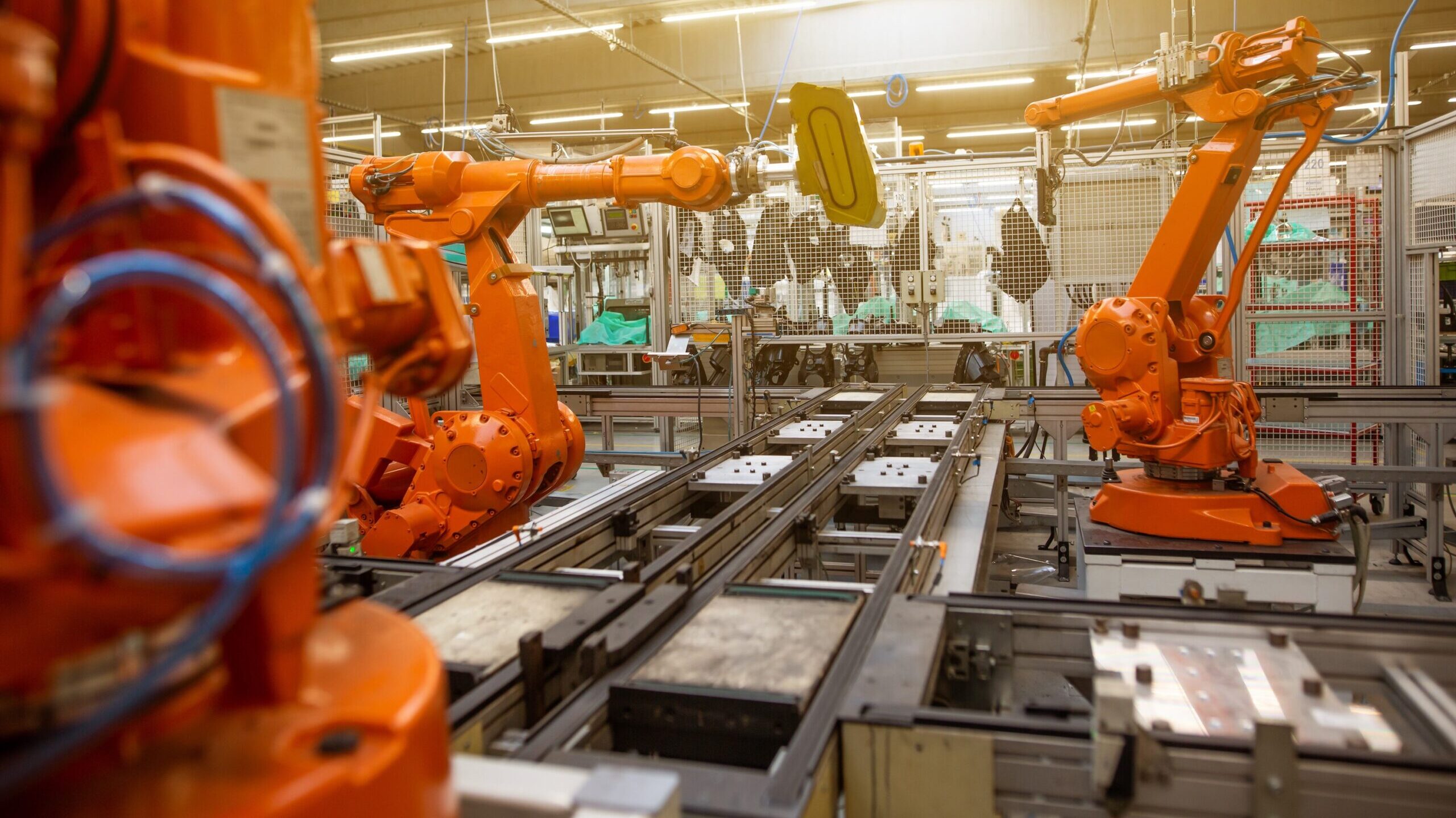
Why Work? On AI and Automation
|
Any modern conversation about the future of work would be incomplete without considering the looming prospect of greater automation